
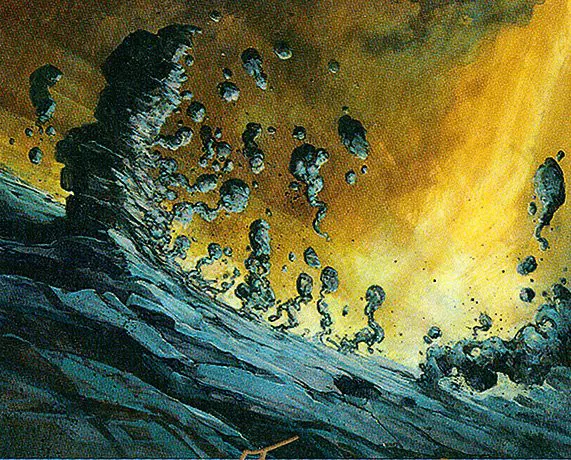
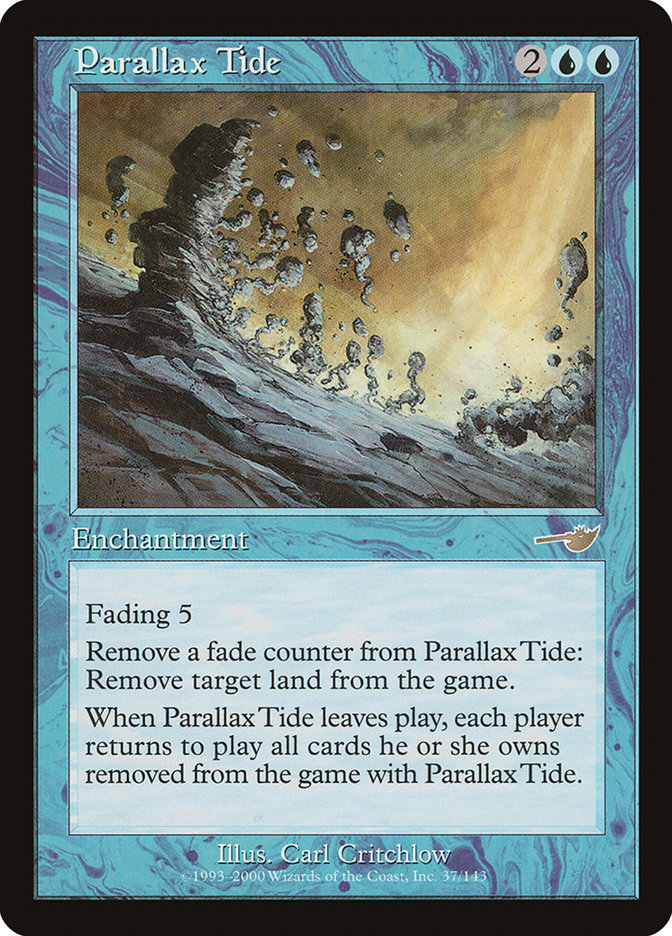
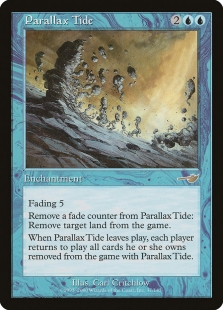
Featured artwork, Parallax Tide by Carl Critchlow.
The changes
- Parallax Tide is banned
The change is effective immediately. Fine print: ongoing leagues and tournaments in the immediate future for which deck lists already have been submitted may make exceptions, check with your organizer. The change will be implemented from January 20 on Magic Online.
Summary
Parallax Tide is mainly exploited as a one-sided Armageddon effect. Often, this is enough to practically end the game on the spot, which can be a punishing experience. Parallax Tide has a polarizing effect on the metagame, as it incentivizes other decks to either go “under” it with fast creature or combo strategies, or to play counterspells, the only reliable way to interact with it. Tide also has a strong pull factor, cannibalizing other control strategies. The deck building space is thus significantly constrained. Decks with Parallax Tide make up a sizeable share of the field, especially in the “winners’ metagame”, and thus contributes to homogenizing play patterns in the format.
Motivation
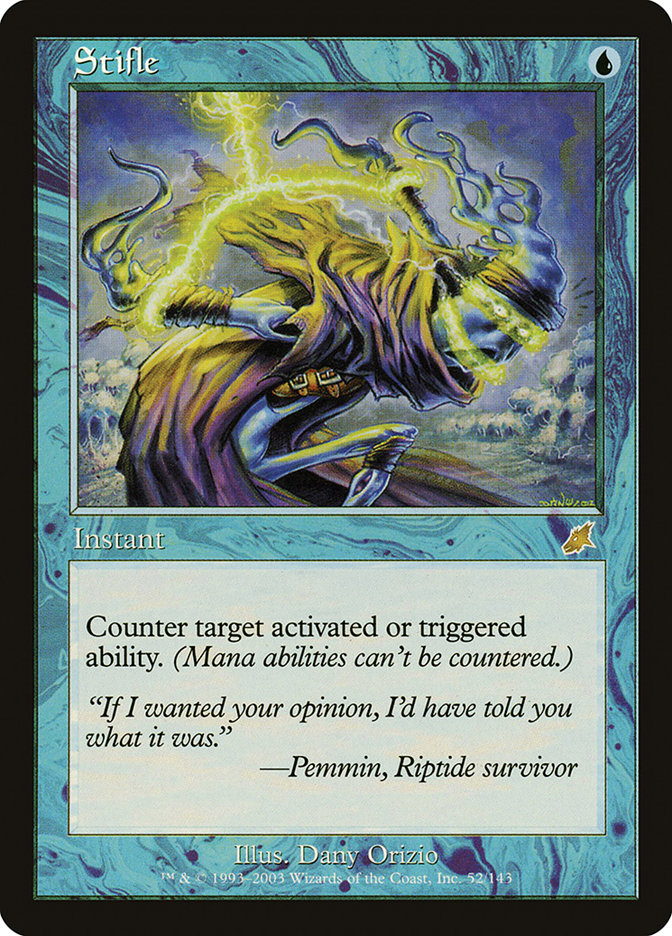
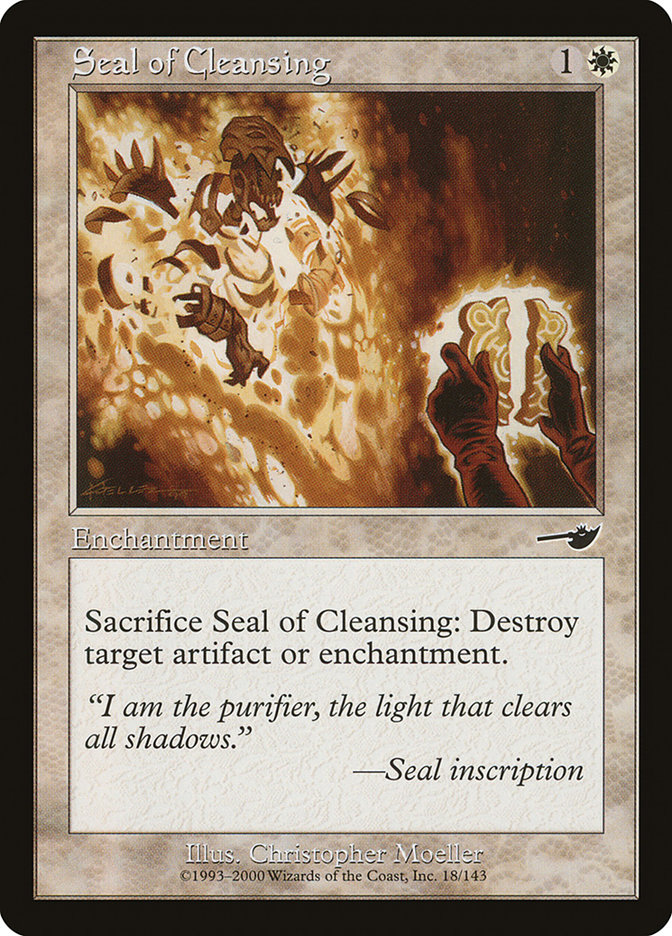
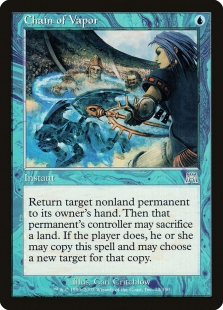
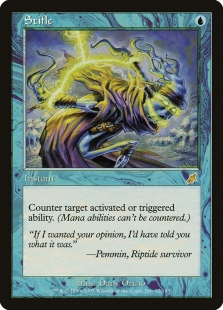
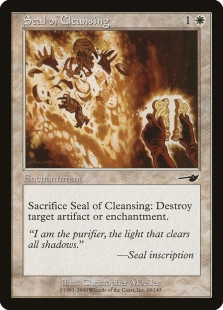
The design idea behind Parallax Tide is, presumably, to exile lands temporarily. However, the temporarily part can be circumvented in either of two ways. First, by playing Stifle on the leaves-the-battlefield trigger which returns the lands. Second, by resolving said leaves-the-battlefield trigger before the activated ability which exiles the land resolves. This is done by activating the exiling ability (up to five times), holding priority, and removing Tide from the game with the exile triggers still on the stack. This is typically done by bouncing Tide with Chain of Vapor or destroying it with Seal of Cleansing. It’s noteworthy that there is no window for the Tide player’s opponent to interact by removing Tide, e.g. with a Naturalize, except in first case, if the Tide player doesn’t have mana up for Stifle at that point.
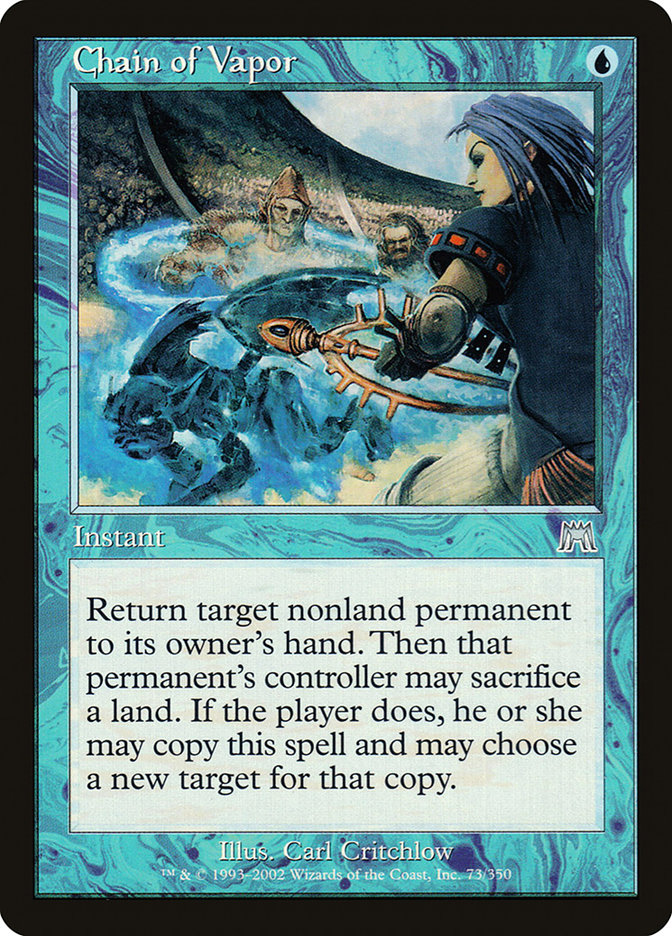
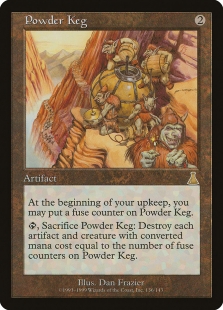
The ingenuity of using Chain of Vapor to bounce Tide is that it can be deployed again. And if that isn’t enough, the Tide player can sacrifice a land to copy Chain, to get the opponent’s best threat off the table. With up to five lands exiled, it can be hard to replay that card again…
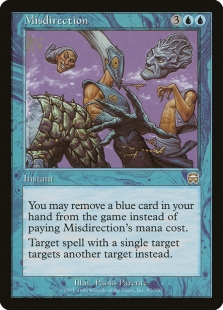
Chain of Vapor and Seal of Cleansing are both useful cards in themselves, so setting up the Tide “combo” doesn’t require a lot of deck building concessions. Stifle is a bit more of a niche card, but since it’s already a part of the combo with Phyrexian Dreadnought, it creates an incentive to play both Dreadnought and Tide in the same deck. Indeed, in the past couple of years we’ve seen several decks operating on the Tide-Dreadnought continuum, often using either card as a sideboard plan. Even not considering the support cards Stifle and Chain of Vapor, the fact that Tide is blue contributes to its strength, both since Tide can be played with counterspell backup and since blue has plenty of cantrips and filtering to find both Tide and the support cards.
Nuking five lands will hurt any deck, but at four mana (or five, when combined with Chain of Vapor), not all decks are equally vulnerable. Decks that can deploy most of their threats in the first couple of turns, like Suicide Black or Sligh, and/or with alternative mana sources, like Elves, are not too bothered by Tide. Slower decks that don’t play as much to the board suffer a lot, however, in particular non-blue decks without access to counterspells. To be fair, deck archetypes like The Rock, BW Control and Lands were far from top tier decks before Tide became popular, but the current prevalence of Tide has constrained this deck space significantly.
At the same time, there is a strong pull towards playing Tide, in that it begs questions to deck builders such as “is it just better to play Tide than this other payoff?” or “can I fit in Tide in this deck?”. I like to say that a card like this has a lot of “gravity”. The clearest example is that the formerly quite popular UW Landstill control archetype to a large extent has been replaced by UW Tide Control (Marc Eric Vogt was among those who developed this archetype, as documented e.g. in this podcast) . You could of course argue that such a clever adaptation of the UW archetype is as legit as anything else, but as a matter of subjective judgement, it’s a bit sad that, as one player put it to me, “you can’t seem to play control without Tide” (in reality you can just play things, but you get the point).
Tide decks
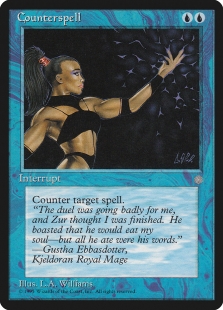
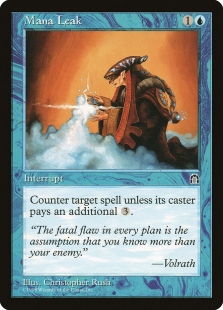
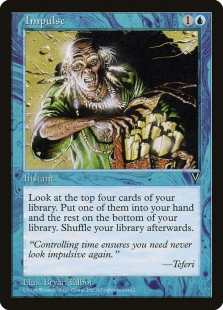
Parallax Tide has seen play in several different archetypes, most notably Tide Control, Replenish and Stiflenought. Tide control can itself be divided into a mono blue version and a blue-white one. It’s worth pointing out that the Tide decks are strategically different and with different matchup spreads. A deck like Elves is structurally resilient to the card Parallax Tide and is indeed strong versus Tide Control, but Elves still has a bad matchup versus Replenish. There doesn’t seem to be a particular archetype preying on all of the Tide decks. For reference, here are examples of these archetypes from last year’s events.
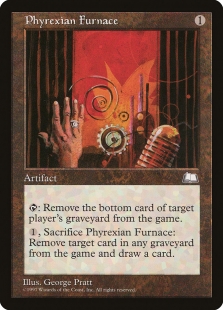
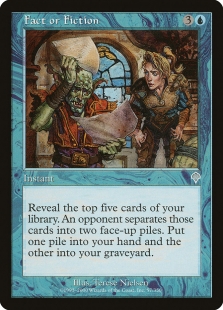
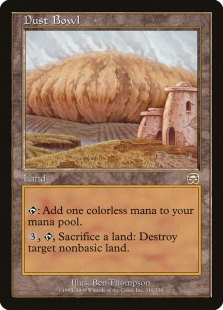
SIDEBOARD
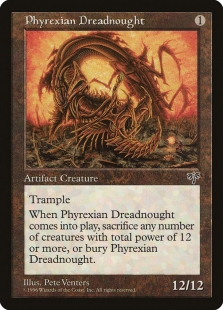
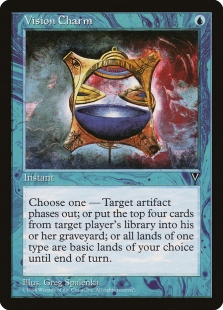
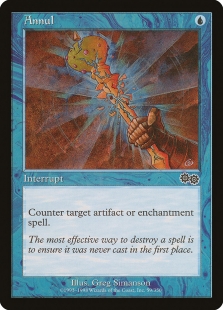
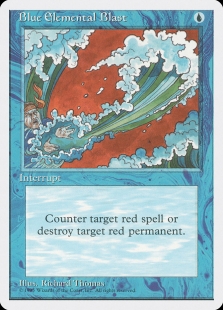
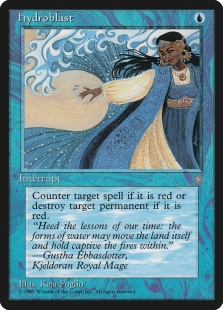
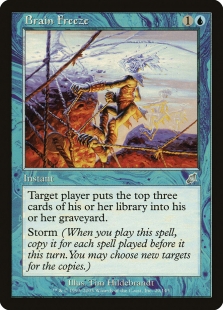
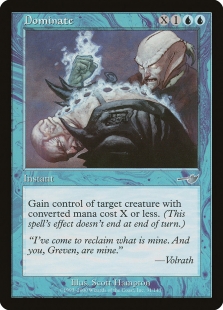
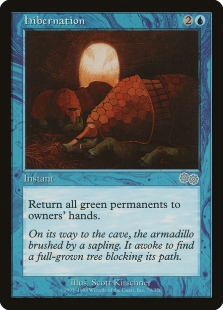
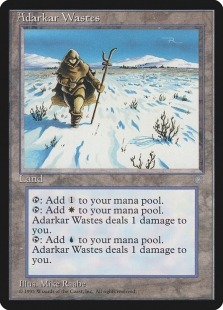
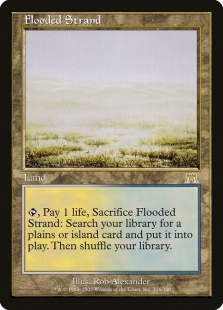
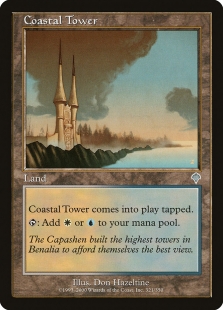
This version of mono blue Tide Control was played to a first place in the Czech Nationals 2025 by Niklas Scholten. This version sports a full set of Phyrexian Dreadnought in the sideboard.
SIDEBOARD
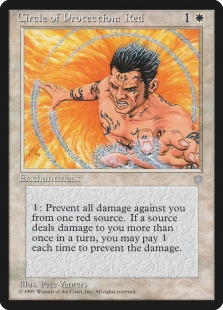
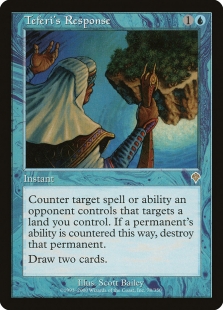
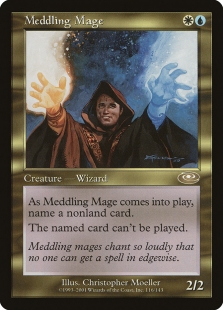
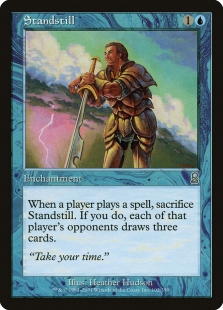
Jouni Souvela took down the Euro Champs in Tampere 2025 with this UW Tide Control deck (or Tidestill, as it’s also called).
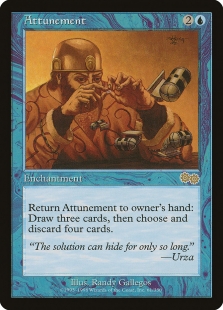
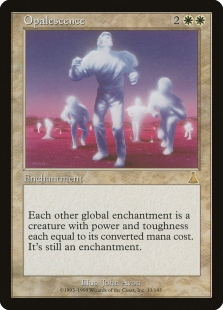
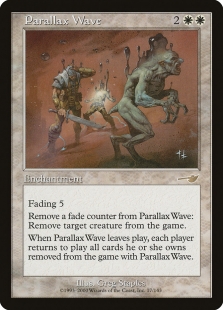
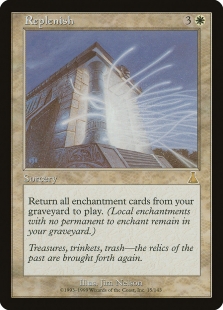
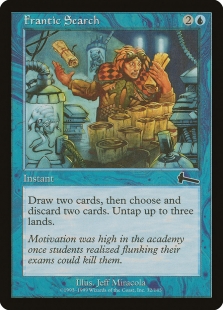
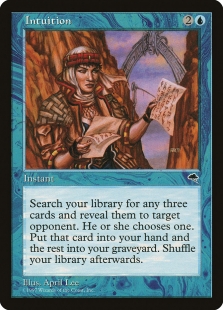
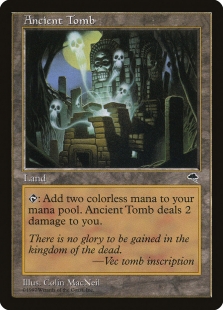
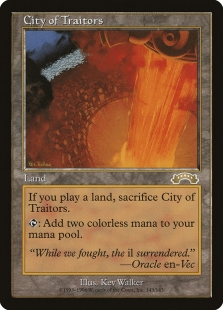
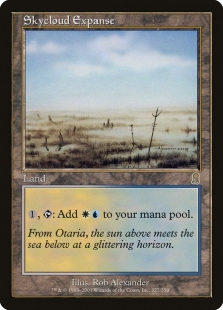
SIDEBOARD
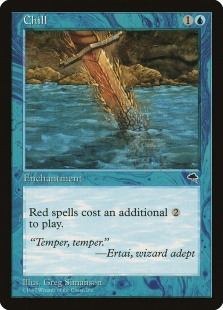
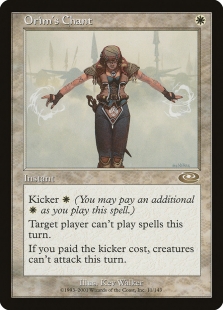
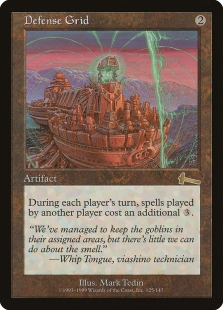
Martin Dominguez earned the South American Champion title with this Parallax Replenish deck. Curiously, the finals was against another Martin (Oviedo), who also played Replenish. 🙂
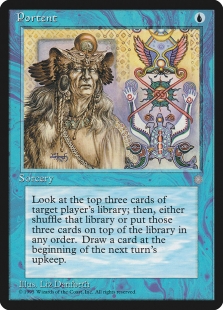
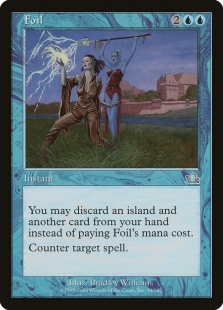
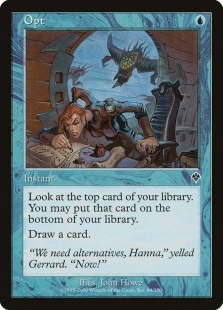
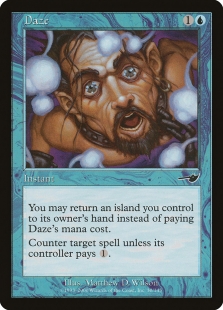
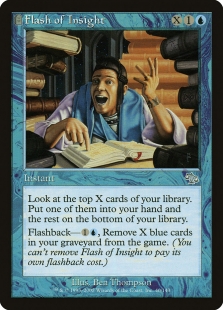
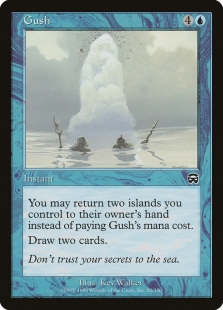
SIDEBOARD
Justin Provencal played this Stiflenought version all the way to the finals of the North American Champs at Lobstercon 2025, losing to Rich Shay on Enchantress. The archetype has undergone a lot of evolution over past years. For those interested, check out these Spike Colony podcast episodes with David Raczka, who pioneered the Tide plan for the sideboard and Brian Selden, who took down the North American Champs 2024 with the deck.
Tide decks in the meta game
To see how prevalent Tide decks were in the “winner’s meta game”, I gathered the top 8 results from all tournaments in 2025 that had a Swiss tournament structure and 65 or more players (typically implying seven or more Swiss rounds). There were 34 such events in 2025, representing a total of 3,949 players! The source for all but one event (Dutch Nationals) is tcdecks.net. The graph below shows the frequency of the top ten most prevalent deck archetypes in the top 8 of these events, as well as the remaining decks bundled together (labelled Spice). I used the archetype classifications by TC decks, but combined mono blue and blue-white Tide Control into one category. The subset of first places for each deck is marked in orange.
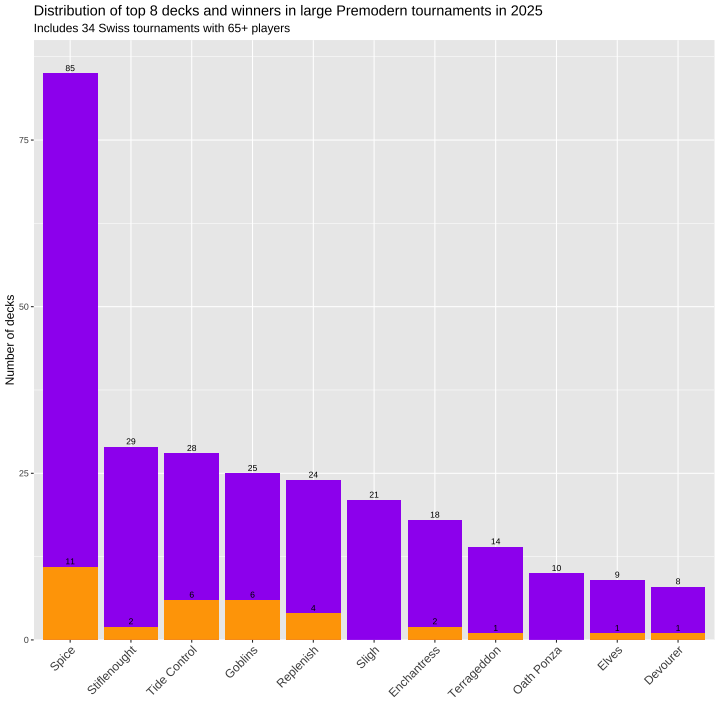 There is a lot to say about this data, but focussing here on the prevalence of Parallax Tide, we see that 81 out of 271 decks (one top 8 deck is missing in the data), or 30 percent, were either Stiflenought, U(W) Tide Control or Replenish. Not extreme, but quite a lot. To put it in perspective, you’d have about a one-third chance to dodge Tide in the top 8, if you make it to the finals.
Top 8 data like this is reflect both of how popular a given deck is in the starting field, and how well it performs in that field. For most events in question, there is no archetype breakdown for the whole starting field, and thus we cannot compute win rates or conversion rates. We can compute conversion rates within the top 8, however, by comparing the number of first place finishes to top 8 appearances. For the record, I think this is quite noisy for data of this size, but for what it’s worth, Tide Control and Replenish seem to overperform somewhat, whereas Stiflenought underperforms. Tide decks combined perform slightly better than average, as they account for 12 out of 34 wins (i.e. 35 percent, compared to their 30 percent share of top 8 decks).
The best way to get directly at the win rates is through the formidable Duress crew data project. Note first though that this data is only partly overlapping with the data we just looked at, as they source mainly from the Community Premodern Series on MTGO (not in the above data) plus the big US tournaments (in the above data). For 2025, the top five performing decks in terms of total win rates (i.e. across all matches played) were Enchantress at 59.7 %, Replenish at 59.5 %, RG Oath Ponza at 59.1 %, U(W) Tide Control at 56.7 % and Elves at 56.4 % (Stiflenought comes at seventh place at 54.3 %). Interestingly, we can filter win rates within the winner’s metagame of the top ten decks from our graph above. Naturally, the win rates are attenuated across the board, but we also get the following new ranking: Replenish at 54.9 %, U(W) Tide Control at 53.9 %, Devourer Combo at 53.8 %, Enchantress at 53.3 % and Stiflenought at 52.8 %.
Lies, damned lies and statistics, you may think at this point. We never had as much and as good data for these kind of exercises before, but still, lots of caveats apply, e.g., that all results are subject to variance, not explicitly accounted for above. The metagame is also constantly in flux, with deck archetypes evolving and their relative popularity fluctuating. You’ll notice that win rates vary quite a lot depending on the specific period looked at, for both of these reasons. Hence, this numbers breakdown is only complementary to the qualitative judgements above.
Looking forward
I anticipate that this change raises questions about the future. I want to share some of my thoughts going forward, hopefully addressing some questions.
What this ban is not
First, a few words of what should not be read into this ban decision:
- It is not an attempt to create “fair Premodern”, pruning all power outliers one after another. Powerful, “splashy” build-arounds are intrinsic to Magic design and often make for exciting games and deck building. Beating powerful strategies can also be especially rewarding. Power outliers must always be seen in context of the decks in which they’re played and how those decks function in the metagame, and here it’s all about finding a reasonable balance.
- It is not an attempt to remove all one-sided, seemingly “unfun” cards from the format, or mana denial strategies in particular.
- It is not an attempt to adjust the colour balance, and it’s not a change made in particular to boost black. With that said, colour balance was considered, and the ban may of course impact the colour balance.
- It is not a response to the recent results from Magic Online, but based on how the format has evolved overall during the past couple of years.
State of the format
Overall, Premodern has a healthy meta-game. Even when we zoom in on the winner’s metagame from big events, as above, there is no single deck or strategy completely dominating, and the distribution of viable decks tails off only gradually, with the spice/other category being quite big and including a lot of different archetypes. The bread and butter of Premodern are still local meetups and smaller events, however, and here I bet that there is even more diversity of decks.
The metagame is rather “mature”, and while we see a lot of innovation still, it mainly comes in the form of refinements of established archetypes, as exemplified by Tide added to Stiflenought, Enchantress adapting with Xantid Swarm and Carpet of Flowers, and then Stiflenought adapting further by digging deep in the bulk boxes for sideboard cards like Essence Flare. I personally find such tweaking of established archetypes to be interesting, but I also think it’ll be exciting if this ban opens up the format for some more explorative brewing.
What about black? About a year ago, I shared some thoughts about the state of the format in Phil Nguyen’s newsletter Banding, and I declared my intention to give black a boost. I followed up on this a bit in this year-in-review episode by Monster of the Week. In summary, I’ve been testing a few black cards for a potential unban. The testing is not conclusive, but so far I’m not convinced that the candidates tested will make the format better, but rather risk just adding More Shit to Deal With. So while I still think it’d be neat if black was given a boost, I’m honestly not sure how to do that at the moment, as I’d rather see the format going in a less cut-throat direction.
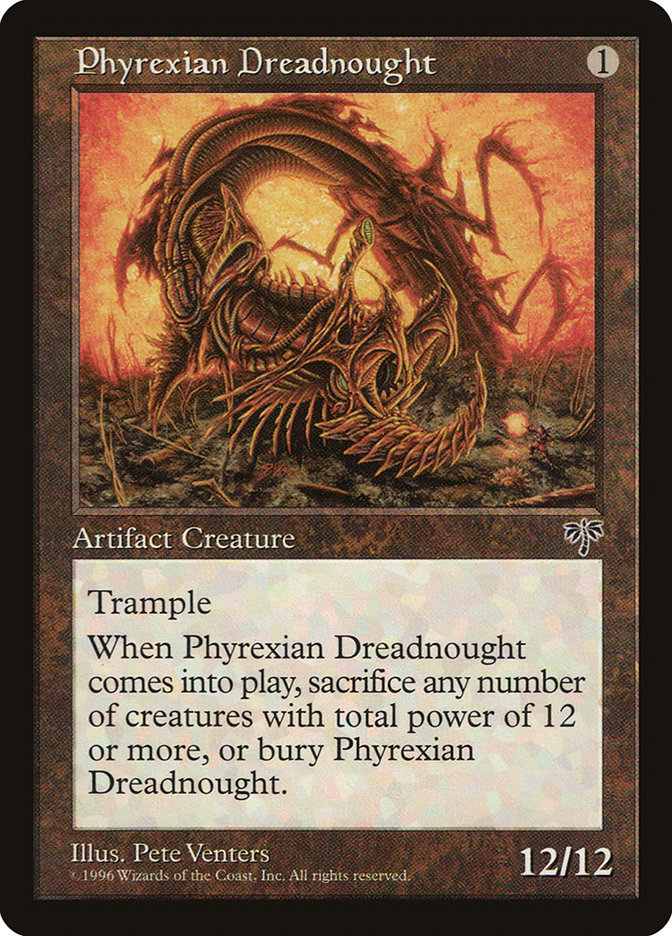
Besides Tide, there has also been concern about Phyrexian Dreadnought and Tide’s cousin Parallax Wave, so let’s address these in turn.
The shrimp in the room…
Going forward, I expect Stiflenought to continue to be the deck to beat. It’s strong, consistent and seems to lack really bad matchups. Hopefully, the deck will lose some margins without the access to the Tide plan, by worsening its matchup spread slightly, and not least by making it easier to sideboard against. Recall, though, that the deck could go back to splashing white for Armageddon. The core shell of the deck is extremely strong, so I’d expect this archetype to develop further. Stiflenought, even without Tide, imposes a lot of restrictions on other decks that aspire to be competitive, and we should keep an eye on it going forward.
Enchantress has made a comeback during the past year, not least because it has managed to find all the tools necessary for beating the Stiflenought matchup. Enchantress doesn’t like Tide, especially coming fast from the Replenish deck, so a first-order effect of the ban would seem to push Enchantress. It’s hard to foresee what happens if the meta starts moving, but I do think that there are plenty of tools for dealing with Enchantress.
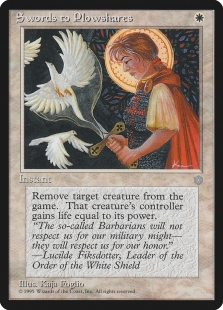
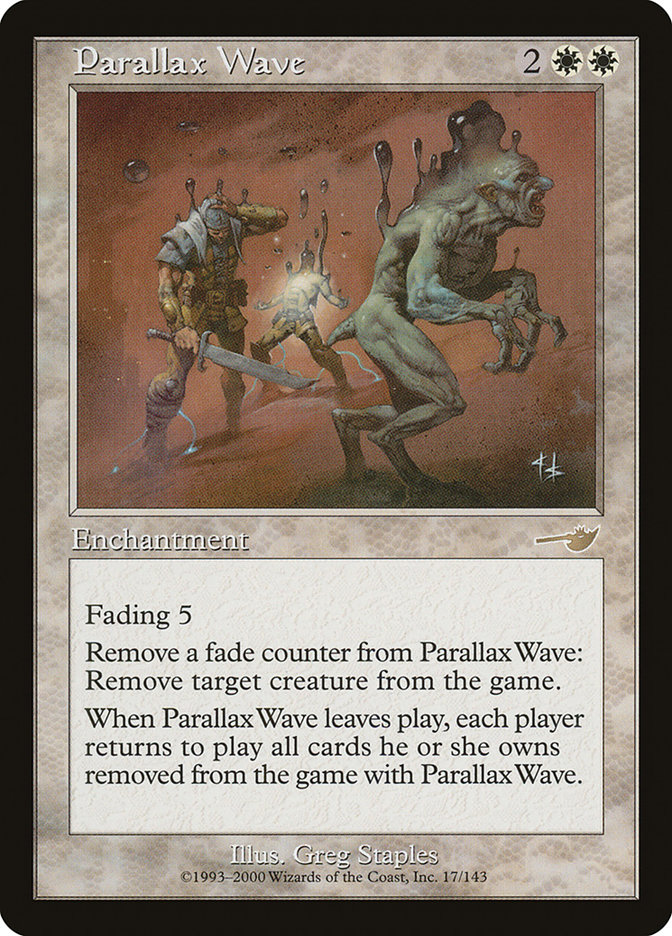
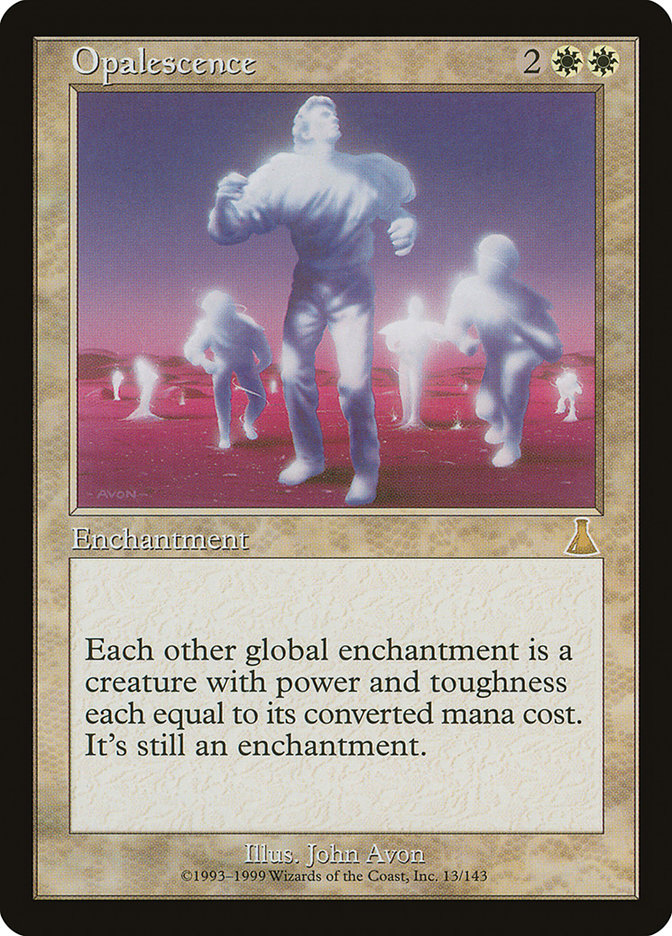
The combination of Parallax Wave and Opalescence, utilized by both Enchantress and Replenish, is tough to deal with for many decks, and just like in the Tide case, can seem to lead to some repetitive and frustrating play patterns. With the currently most popular Replenish variant losing Tide, we’ll see if it’s still worth building around the creature control part of Swords to Plowshares and Parallax Wave (perhaps with Decree of Silence?), or if the go-to Replenish deck will be a more combo-oriented version, e.g. Pande-Burst. For now, anyway, I think that Wave is not nearly as taxing as Tide, for several reasons: most decks suffer from losing their lands, but not all from losing their creatures; it’s generally easier to make a comeback from losing your creatures than losing your lands; there’s more counter play to Opal-Wave than to Tide and its enablers, e.g. Naturalize; and there are already effects that sweep all creatures, like Wrath of God, which are often used asymmetrically anyway. We’ll have to see how it goes…
The format has grown steadily during the past year, with an interest spike in the past couple of months as Premodern was introduced on Magic Online, as part of the new Contraption concept there. I’m very happy that more people get to play the format, but fast growth also comes with some growing pains, and there has e.g. been concern about card prices going up and the meta game getting more homogenous as a result of more frequent play on Magic Online. So far, the metagame online does in fact look more homogenous, with Stiflenought and Sligh being especially frequent. Magic Online has its very own logic though, due to differences in e.g. player population, card availability and sometimes an incentive to play faster and less complicated decks. I may be wrong, but I don’t really see why the online results so far should spill over to paper play to any significant extent, so I don’t think we should stress up about this.
Finally, there have been some questions about scheduling ban list updates. I still don’t plan to pre-schedule announcements, but I’ll commit to do a yearly written review of the state of the format in the future, around this time of the year.
Thanks for reading, take care and keep on brewing! 🙂
– Martin
Bonus: Tide Nostalgia
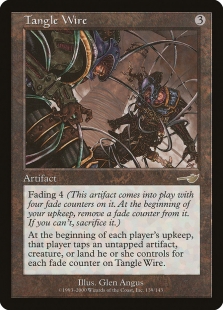
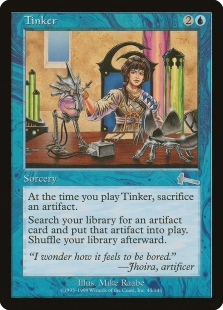
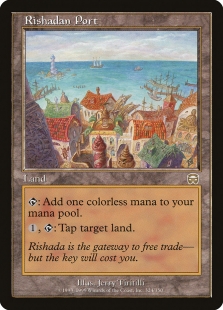
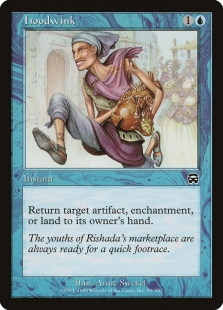
Andy Culpepper’s Ankh-Tide brew takes you back to an innocent time:
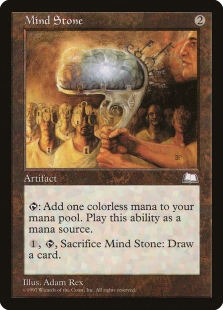
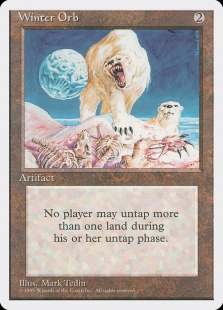
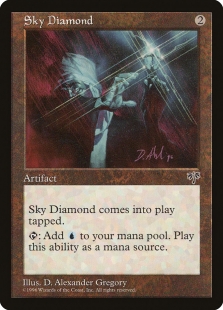
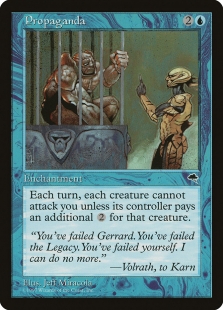
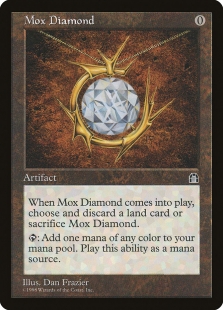
SIDEBOARD
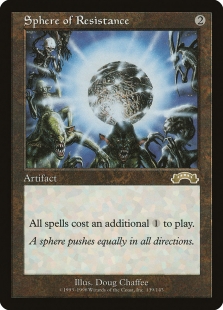

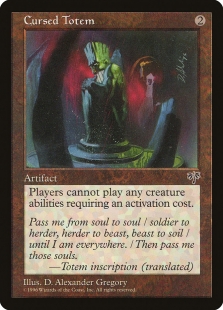
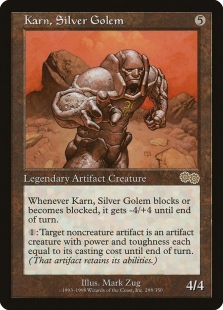
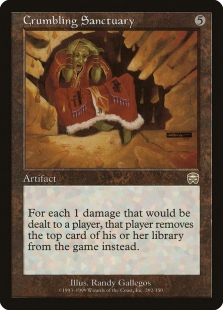
And Phil was ahead of his time…